How to Maintain a Germ-Free Office in Adelaide: Smart Cleaning Practices for Businesses
We’ve cleaned enough offices to know that maintaining workplace hygiene isn’t about spotless aesthetics. It’s about reducing sick days and keeping your team functional. A germ-free environment doesn’t happen by accident, and it’s not something you can achieve with a once-over on Friday afternoons.
The Reality of Shared Workspaces
Office environments are deceptively dirty. Phones get pressed against faces all day. Keyboards collect debris between keys. Door handles get touched hundreds of times before anyone thinks to wipe them down. Many businesses underestimate the importance of these contact points, but ignoring them can be costly in terms of absenteeism.
Make sure hand sanitiser stations are available in areas beyond the bathrooms. Common areas, entry points, and kitchen spaces should all have accessible dispensers. Choose alcohol-based formulas. They’re effective without being harsh. But don’t rely solely on sanitiser. It’s a supplement to proper handwashing, not a replacement.
Where Most Offices Get It Wrong
Communal kitchens breed problems. Shared mugs that get a quick rinse under cold water still carry germs from the last person who used them. Sponges that never dry properly become bacterial havens. The fridge that nobody claims responsibility for becomes a science experiment.
We’ve seen businesses implement personal crockery policies with good results. When staff bring their own mugs and wash them properly, cross-contamination drops. It’s a simple shift that removes a major hygiene weak point.
Effective office cleaning businesses in Adelaide require goes beyond surface-level tidying. Disinfection is most effective when done consistently, rather than only when dirt is visible. High-touch surfaces, including light switches, shared equipment, and bathroom fixtures, should be regularly cleaned with appropriate disinfectants.
Building Practical Habits Into Your Routine
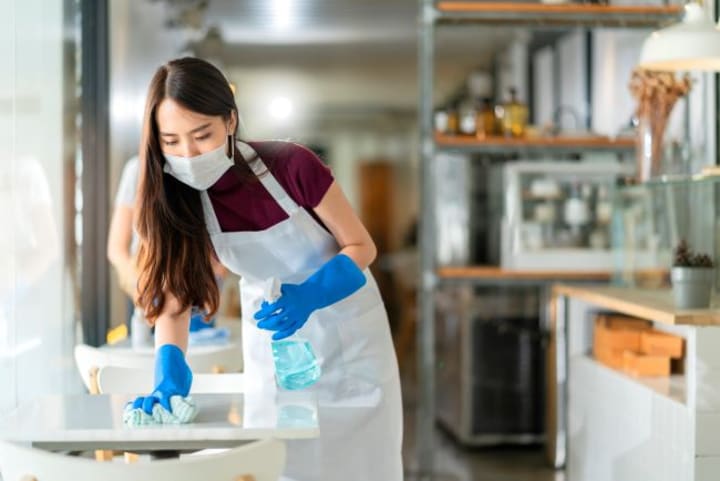
Daily sanitising in the office doesn’t need to be complicated. Desk wipes should be available so staff can clean their immediate workspace without waiting for scheduled services. This isn’t about creating extra work. It’s about making basic hygiene effortless.
Clear responsibilities matter. Who empties bins? Who checks soap dispensers? Who ensures cleaning supplies are stocked? Without assigned accountability, these tasks fall through the gaps. That’s where solid workplace cleaning guidelines for businesses come in. If nobody owns the task, it doesn’t get done.
Professional cleaning services handle the deeper work that daily maintenance doesn’t cover. Carpets harbour allergens. Ventilation systems circulate dust. Bathrooms need thorough disinfection beyond what happens during business hours. Weekly professional cleaning establishes a baseline that daily efforts then maintain.
The Sick Employee Problem
Staff coming to work unwell defeats every hygiene measure you implement. One person spreading illness through the office creates a domino effect of reduced productivity and additional sick leave. These workplace cleaning tips only work if people aren’t actively bringing germs through the door each morning.
Management needs to create an environment where taking sick leave doesn’t carry stigma. Otherwise, employees show up contagious and undermine your entire hygiene strategy.
When Standard Cleaning Isn’t Enough
Some businesses need more intensive approaches. Medical offices, childcare facilities, and food-related businesses face higher contamination risks. Office sterilisation services provide hospital-grade disinfection when standard cleaning doesn’t meet industry requirements or when illness has already spread through your workplace.
We’ve responded to offices after norovirus outbreaks and flu clusters. The difference between routine cleaning and proper sterilisation becomes obvious in these situations. Prevention costs less than crisis response.
Maintaining a germ-free office requires consistent effort and realistic expectations. Perfect sterility isn’t achievable, but a significant reduction in illness transmission absolutely is. Focus on high-impact areas, establish clear protocols, and invest in professional support where it matters. Your bottom line will reflect the difference.