High-Touch Areas in Offices That Need Daily Sanitisation
Somebody in the office gets sick. Then two more people. By Thursday, half the team is either at home or pushing through with a headache and a box of tissues. Everyone assumes it’s just going around.
Usually it’s the desk. Or the door handle. Or the shared keyboard that forty fingers touched before lunch.
High-touch areas cleaning is the part of workplace sanitisation that most office cleaning schedules either rush through or miss entirely. Not because anyone’s being careless. Because the list of surfaces that actually need attention every single day is longer than most people expect.
The Surfaces Everyone Touches Without Thinking
The front door handle gets touched by every single person who enters or leaves. That’s not an exaggeration; that’s just what a door handle is. Same with lift buttons, stairwell rails, and the entry keypad, if there is one. These are the first points of contact in any building, and they almost never get the attention they deserve on a touchpoint disinfection checklist.
Reception desks are another one. Pens that get handed back and forth. The counter surface itself. The sign-in screen, if there is one. Visitors touch all of it before they’ve even sat down.
Daily office sanitising of entry and reception points isn’t optional if you’re running a workplace with consistent foot traffic. It’s just maintenance.
The Kitchen Is the Highest-Risk Room in the Building
This tends to surprise people. The bathroom gets attention. The kitchen often doesn’t, at least not the right surfaces.
The kettle handle. The microwave buttons and door handle. The fridge door. The coffee machine controls. These are cleaning frequently touched surfaces that every person in the office uses multiple times a day, usually right before eating, which is exactly when it matters most.
Best practices for disinfecting office surfaces in a kitchen means going beyond wiping the bench. It means the handles, the buttons, the tap. The things hands actually land on, not just the flat surfaces that look dirty.
Desks, Phones, and Keyboards
Hot desks are an obvious concern. Even assigned desks accumulate bacteria at a rate most people would find uncomfortable if they thought about it too carefully.
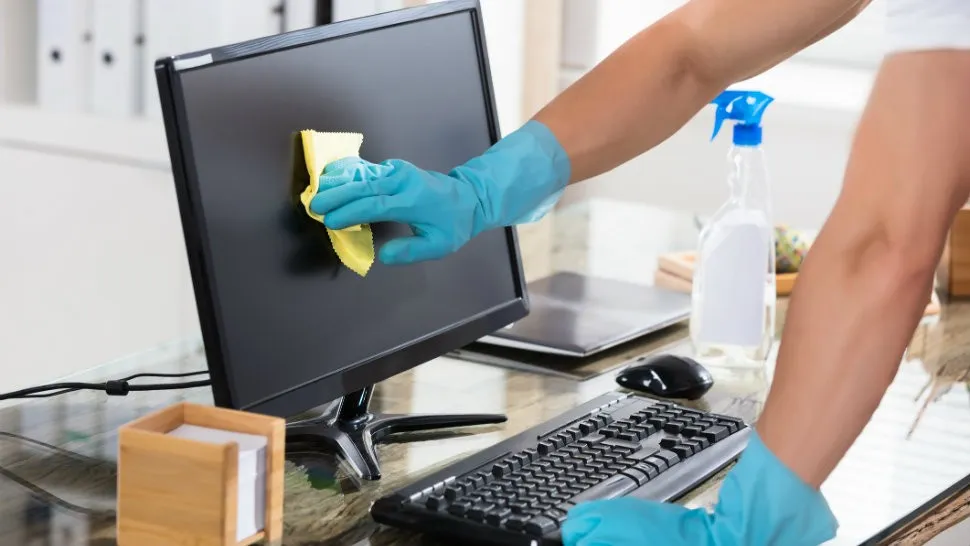
Keyboards and mice are the same story. Shared ones especially. How to sanitise office touchpoints like these properly means using the right product at the right dilution, not just a dry wipe that moves contamination around without actually removing it.
Meeting Rooms Reset Between Every Use
The table surface, yes. But also the chairs, the AV remote, the whiteboard markers, the video conferencing equipment, everyone leans toward when they’re trying to be heard. These surfaces get used by different groups of people back-to-back all day, and they’re often the last thing on a cleaning run.
A proper daily hygiene protocol for offices treats meeting rooms as high-risk spaces, not afterthoughts.
What Professional Office Sanitisation Actually Covers
Office sanitisation Adelaide services that are worth using work from a defined touchpoint disinfection checklist, not a general sense of what looks dirty. Visually tidy and actually sanitised are two different things, and the gap between them lives in the surfaces nobody thinks to wipe because they don’t look dirty.
Commercial cleaning Adelaide businesses actually need runs on a schedule built around how often surfaces get touched, not how often they look like they need attention. A door handle doesn’t look dirty after fifty people have used it. It just is. That’s the whole problem with office disinfection high-touch points, and why leaving it to chance isn’t really an option in a shared workplace.